Juliet Thomas Christian Articles for Young Women
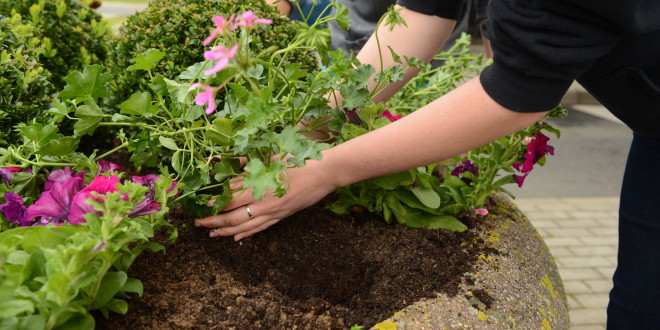
“Gardens are the pride and joy of most homes. But growing your own garden can be a difficult task if you have never dirtied your hands in soil before. If you’re thinking of starting your own garden here’s an easy-to-follow guide that’ll teach you everything you need to know to go from planning to planting! “
GARDENING TOOLS
There are dozens of cool-looking implements on the shelves of stores selling gardening tools. But what you need are just a few basic ones to get working on your garden.
Hand Trowel
The hand trowel is handy to dig holes for planting and works as a scoop for soil, mulch and fertilizer. A steel trowel with a solid wooden handles would be the best one to buy.
Pruners
This tool helps you cut cleanly through a multitude of stems and doesn’t cramp solid your hand while doing so. Look for a bypass pruner with ratchet action for easy cutting.
Rakes
You will ideally need a leaf rake (in case you have a large yard) and a soil rake to work the soil in your garden. You can level the soil in the garden using the rake and can gather dried leaves and week.
Spade
A spade is perfect for digging holes to plant small items and for working in a confined area. The ideal spade has a slightly dished blade instead of a completely flat one. The curve will help hold the dirt on the blade as you lift it out of the hole.
SOIL PREPARATION
Your garden is only as good as your soil, so prepare the ground far in advance before you start planting. Follow these tips to make the most of what you have:
Get a Soil Test
Buy an at-home soil-testing kit or, better yet, ask your local garden center or nursery if they will test the soil for you. Many will do so for no fee or a nominal cost. The test will help determine what nutrients you need to add to the soil to grow healthy plants. Do this first to save time and money and avoid disappointments later.
Remove Turf Grass
Once you’ve determined where you want to create a garden bed, you’ll need to remove any grass or weeds occupying the space. But first, draw the outline of the bed using a flexible garden hose or string.
Turn Over The Soil
After removing the turf, dig down about a foot deep with a shovel and turn over the clumps to expose the fresh soil underneath, and loosen the top layers so the new plants have an easy time spreading their roots. Turn over the entire bed, removing stones, roots and debris along the way.
Add Compost
Now is the time to add well-rotted manure or topsoil to existing soil. Add four to six inches or more to the ground and work it into the turned-over soil until it’s mixed thoroughly.
Rake It Smooth
Even out the surface of the garden bed with a soil rake. Once its level, spray it with a hose to moisten the surface well; make sure the water drains well. If puddles remain after several hours, go back and dig deeper to loosen the soil, adding more compost if needed.
SUN VS. SHADE
When selecting the best plants for your garden, it’s important to know whether your space is in ‘full sun’ or ‘part shade.’
Full sun is an area that gets six or more hours of strong, direct sun every day. This is ideal for growing vegetables and most flowering perennials and annuals. Part sun or part shade is an area that gets two to six hours of direct sun each day. Shade is an area that gets less than two hours of sun or no direct sun at all. Dense shade is dark most of the day but will still support plant life such as ferns and some types of ivy.